You're ready to lose weight, but overwhelmed by complicated diet plans. Learn how to achieve your goals by focusing on what's absolutely necessary!
You may have heard some variation of this statement before: Your commitment to improved nutrition has to be a total, sustainable lifestyle change.
When people say this, they're often doing it with the best of intentions. They're trying to make eating better seem easier and more approachable. But what comes across is often the opposite. After all, there are an infinite number of nutrition-related variables you could change, and they would all impact your enjoyment, progress, and willingness to continue.
So let's break it down and focus on doing fewer things better. Here are four techniques you can use to make real progress without getting overwhelmed.
Repeat after me: protein, vegetables, water. If you forget everything else after reading this article, at least remember these three words. They're the nutritional foundation of fat loss.
Don't get me wrong—fat has its place, and it's an important one. But if your goal is to lose weight, eating more protein and vegetables and drinking more water are the priorities. Focus on getting more of all three, and you can solve a lot of problems.

Why? Let's break them down one at a time.
Protein: Aside from its ability to help you add muscle—which, in turn, helps to burn more fat—protein has several other benefits. It is slow to digest, which can help keep you feeling full throughout the day. It also has a high thermic effect, which means your body actually has to burn energy to digest and absorb protein. Yes, you understood that correctly: Protein can help keep you feeling fuller while eating less. To keep calories in check and encourage muscle-building at its highest, I recommend using lean animal proteins a majority of the time.
Veggies: After you're finished pummeling your protein, it's time to feast on veggies! Aside from the nutrient density and abundant antioxidants most vegetables have to offer, they also help to promote fullness due to their high water content. Fresh, frozen, or canned, each offers few calories per serving, which leads to larger portions and more fullness without the caloric overload or guilt trip.
SYMPTOMS OF DEHYDRATION
Water: With all of the hoopla around macronutrients, it's easy to forget that water is an essential nutrient, too. After all, we're at least 70 percent water, which means we're more water than protein! Aside from the cognitive and performance benefits associated with proper hydration, it's crucial to drink water consistently throughout the day to further promote fullness, prevent dehydration, and boost recovery from exercise. Of course, this calorie-free fluid also takes up ample space in your stomach, preventing you from trying to fill it with candy and cookies.
These priorities can even extend to the order in which you eat things on your plate. Try filling up on proteins and veggies first, with ample sips of water throughout the meal. If you still have room afterward, that's when to eat your carbs and fats.
Identify the one meal that is the most troublesome for you each day. Maybe you often skip lunch because you're overloaded with meetings and projects all day, or you frequent the fast-food drive-thru for dinner on the reg. Maybe you still eat the breakfast of an overactive 6-year-old, and your wavering energy level throughout the day shows it. Tackle whatever meal gives you the most difficulty in consistently making sound nutritional choices.
First, make a plan. Plot out what you will eat for that specific meal each day of the week. Not just today, or tomorrow—every day of the week. If it's lunch or dinner, iron out your lean protein and vegetables (and carbohydrates, depending on the meal,) and decide which ones you will include in that meal. Maybe it's salmon and broccoli tomorrow, and grilled chicken with green beans the next.
Once you've got your foods picked, make the meal happen! Carve out the time to cook, portion, and pack the ingredients for this meal for the next few days. I'm not asking you to pack a week's worth of food, or even a day's worth—just one single meal per day.

If you can replace a few fast-food or vending-machine meals each week with some quality protein, vegetables, and water, that's a big step. You'll eliminate plenty of excess calories, improve your overall nutrition, and start building the habits that will lead to long-term progress.
These don't always have to be attacked with the wholesale "replace a meal with a different meal" approach. Often, a simple ingredient swap can boost your intake of healthful nutrients while slashing fat and calories in half. You'd be surprised how effortlessly you can cut calories throughout your day. Here are a few places to start:
If you begin including regular exercise as well as reducing caloric intake by 1,000 or more calories per day, you will place your body in a rather large negative caloric balance. You're undoubtedly going to lose weight, and lose it fast. Initially, you may lose 2-5 pounds per week. However, this won't last.

Soon, your weight will plateau, and the next logical step is to further increase your treadmill time or to further reduce calories. But do this, and you'll only end up losing muscle and messing with your hunger-related hormones, both of which will do more harm than good to your results in the long term. It can also set you up for rapid weight gain when—not if—the hunger wins and you engage in an epic caloric splurge.
Losing 50 pounds isn't going to happen overnight, or in the next week, or even the next couple of months, and that's a good thing. That rate of loss wouldn't be sustainable, nor would it likely be healthy.
Here's what is healthy and sustainable: 1-2 pounds a week. Some weeks it will be more, some less. It probably won't be linear. But it's the rate to aim for, and it's how lasting change is achieved.
SOURCE BY : http://www.bodybuilding.com/fun/a-beginners-guide-to-healthy-fat-loss
You may have heard some variation of this statement before: Your commitment to improved nutrition has to be a total, sustainable lifestyle change.
When people say this, they're often doing it with the best of intentions. They're trying to make eating better seem easier and more approachable. But what comes across is often the opposite. After all, there are an infinite number of nutrition-related variables you could change, and they would all impact your enjoyment, progress, and willingness to continue.
So let's break it down and focus on doing fewer things better. Here are four techniques you can use to make real progress without getting overwhelmed.
1.DON'T MICROMANAGE YOUR MACROS
Repeat after me: protein, vegetables, water. If you forget everything else after reading this article, at least remember these three words. They're the nutritional foundation of fat loss.Don't get me wrong—fat has its place, and it's an important one. But if your goal is to lose weight, eating more protein and vegetables and drinking more water are the priorities. Focus on getting more of all three, and you can solve a lot of problems.
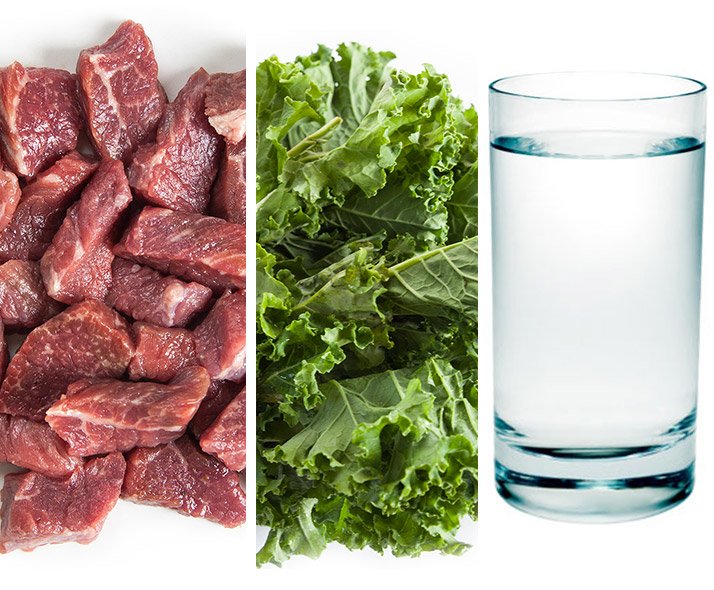
Why? Let's break them down one at a time.
Protein: Aside from its ability to help you add muscle—which, in turn, helps to burn more fat—protein has several other benefits. It is slow to digest, which can help keep you feeling full throughout the day. It also has a high thermic effect, which means your body actually has to burn energy to digest and absorb protein. Yes, you understood that correctly: Protein can help keep you feeling fuller while eating less. To keep calories in check and encourage muscle-building at its highest, I recommend using lean animal proteins a majority of the time.
Veggies: After you're finished pummeling your protein, it's time to feast on veggies! Aside from the nutrient density and abundant antioxidants most vegetables have to offer, they also help to promote fullness due to their high water content. Fresh, frozen, or canned, each offers few calories per serving, which leads to larger portions and more fullness without the caloric overload or guilt trip.
SYMPTOMS OF DEHYDRATION
- Hunger
- Fatigue
- Headaches
- Lightheadedness
- Trouble focusing
- Irritability
- Impaired short-term memory
- Muscle cramps
- Decreased speed and strength
- Impaired reaction time
- Symptoms can appear when you're dehydrated by as little as 3%!1,2
Water: With all of the hoopla around macronutrients, it's easy to forget that water is an essential nutrient, too. After all, we're at least 70 percent water, which means we're more water than protein! Aside from the cognitive and performance benefits associated with proper hydration, it's crucial to drink water consistently throughout the day to further promote fullness, prevent dehydration, and boost recovery from exercise. Of course, this calorie-free fluid also takes up ample space in your stomach, preventing you from trying to fill it with candy and cookies.
These priorities can even extend to the order in which you eat things on your plate. Try filling up on proteins and veggies first, with ample sips of water throughout the meal. If you still have room afterward, that's when to eat your carbs and fats.
2.FIX ONE MEAL AT A TIME
Look at some fitness-related Instagram feeds, and you might get the impression that you have to prep every meal every day to get results. You don't.Identify the one meal that is the most troublesome for you each day. Maybe you often skip lunch because you're overloaded with meetings and projects all day, or you frequent the fast-food drive-thru for dinner on the reg. Maybe you still eat the breakfast of an overactive 6-year-old, and your wavering energy level throughout the day shows it. Tackle whatever meal gives you the most difficulty in consistently making sound nutritional choices.
First, make a plan. Plot out what you will eat for that specific meal each day of the week. Not just today, or tomorrow—every day of the week. If it's lunch or dinner, iron out your lean protein and vegetables (and carbohydrates, depending on the meal,) and decide which ones you will include in that meal. Maybe it's salmon and broccoli tomorrow, and grilled chicken with green beans the next.
Once you've got your foods picked, make the meal happen! Carve out the time to cook, portion, and pack the ingredients for this meal for the next few days. I'm not asking you to pack a week's worth of food, or even a day's worth—just one single meal per day.
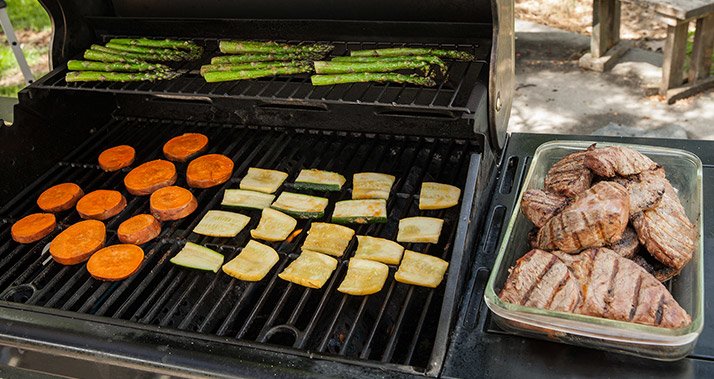
If you can replace a few fast-food or vending-machine meals each week with some quality protein, vegetables, and water, that's a big step. You'll eliminate plenty of excess calories, improve your overall nutrition, and start building the habits that will lead to long-term progress.
3.LOOK FOR SIMPLE SWAPS
Steps 1 and 2 can be game-changers on their own, so by all means start there. Then, turn to the other caloric black holes that might be hiding in your life.These don't always have to be attacked with the wholesale "replace a meal with a different meal" approach. Often, a simple ingredient swap can boost your intake of healthful nutrients while slashing fat and calories in half. You'd be surprised how effortlessly you can cut calories throughout your day. Here are a few places to start:
4.DON'T START TOO FAST
The biggest diet mistake is cutting calories too rapidly. This is because your metabolism is dynamic. It adapts to your current level of food intake and exercise, and it will respond to dramatic changes by trying to slow them down.If you begin including regular exercise as well as reducing caloric intake by 1,000 or more calories per day, you will place your body in a rather large negative caloric balance. You're undoubtedly going to lose weight, and lose it fast. Initially, you may lose 2-5 pounds per week. However, this won't last.
Soon, your weight will plateau, and the next logical step is to further increase your treadmill time or to further reduce calories. But do this, and you'll only end up losing muscle and messing with your hunger-related hormones, both of which will do more harm than good to your results in the long term. It can also set you up for rapid weight gain when—not if—the hunger wins and you engage in an epic caloric splurge.
Losing 50 pounds isn't going to happen overnight, or in the next week, or even the next couple of months, and that's a good thing. That rate of loss wouldn't be sustainable, nor would it likely be healthy.
Here's what is healthy and sustainable: 1-2 pounds a week. Some weeks it will be more, some less. It probably won't be linear. But it's the rate to aim for, and it's how lasting change is achieved.
SOURCE BY : http://www.bodybuilding.com/fun/a-beginners-guide-to-healthy-fat-loss